Music
Apr 2, 2026
7 mins Read
How Do You Thrive as an Indie Nigerian Artist in the Diaspora? We Asked Two Artists.
Shomade.A
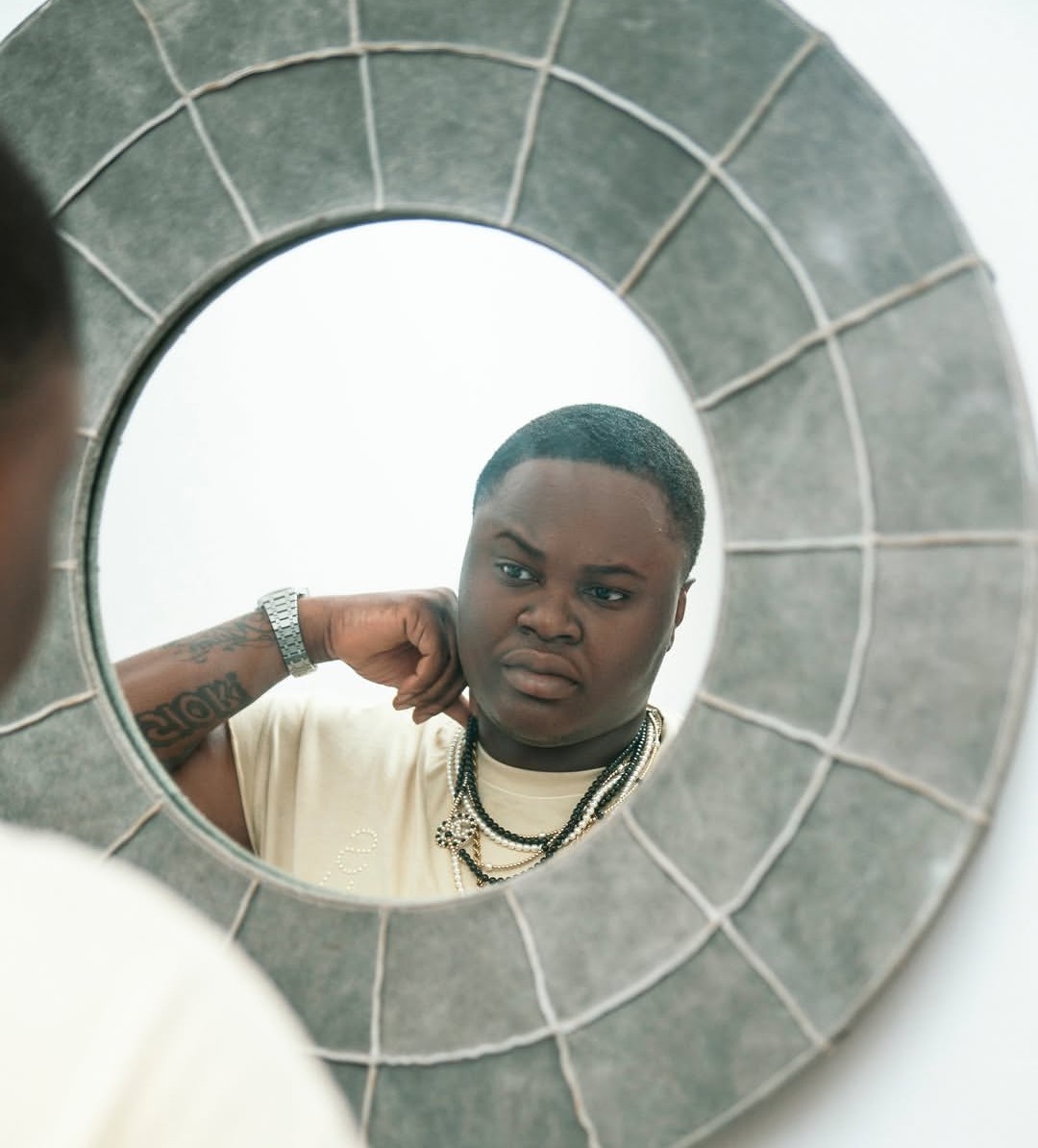
Afrobeats is global. In 2023 alone, Afrobeats surpassed 13 billion streams on Spotify, with more than half of its listeners based outside Africa. Nigerian artists are selling out arenas in London, Toronto, and New York. The diaspora is no longer an extension of the market. It is the market.
But that's not all there is to the story. For every global headline, there are hundreds of independent Nigerian artists abroad trying to figure out how to survive without proximity, without a label machine, without being physically present “where it’s happening.”
The Nigerian music ecosystem is still deeply Lagos-centric. Visibility is physical. Community is physical. Momentum is physical.
So what happens when you’re not in the room? Is the diaspora a gift? A shortcut? Or a different kind of struggle entirely?
We asked two artists building from abroad one question in several ways: How do you actually thrive as an indie Nigerian artist in the diaspora?
We begin in the UK.
Big Drip (Ademola Taoreed Ojugbele)—UK-Based Afro-Trap Artist
Let’s start slow. Where are you now, and how has life away from Naij shaped who you are outside of being an artist?
I think, well, life away from naij has shaped me in two ways.
It helps you explore more. You begin to know what other sounds people around you are listening to, not just in your country. It helps you know what Afrobeats music is popping outside of Nigeria.
So it’s helped me understand what people like to listen to abroad.
When did it first hit you that making music away from home would be both a gift and a challenge?
It’s a gift because we’re exploring. We’re hearing more sounds. Meeting more producers. More people in the music scene around the world. But it’s a challenge too. Getting a proper engineer is not easy. Not everyone has that Afro touch. Not everyone can record your vocals the way it should be. And then consistency… at the end of the day, we’re human. We have bills. It can be heavy if you don’t have a full record label backing you or an investor just focused on your music. So yes, it can be challenging. But we move. We can’t give up.”
What does consistency look like for you when life, bills, and identity are pulling at you?
You just keep pushing. You know what they say, sounds fly. So we have to keep pushing.
Has distance changed your sound, your storytelling, your emotions?
Distance has not changed my sound at all. I still have my Afro sound. I still have my trap sound. Not being in Nigeria doesn’t actually change your sound. I feel like everyone has a unique sound.
What’s been the hardest part of building visibility without being physically present in Nigeria?
It’s not the same because you’re not where it’s actually happening. That’s why most artists, we come in. We come to Nigeria to do what we have to do. Then we step out again. Come back in, step out. Every artist that wants to build community will definitely come back to Nigeria to do that part. And then if you want to go back abroad, you can.
Does the diaspora ever feel lonely as an artist, even when things are working?
Yeah. Sometimes. Especially if you don’t have a full label team. People that can assist you, help you do the right things at the right time. We can’t do everything ourselves. So yeah, it does get lonely sometimes.
On days when the journey feels heavy, what keeps you creating anyway?
The passion. The passion and the fact that I know I’m going places, even if it takes two, three, four, five years. Even the ones at the top now—look at Burna Boy. There was a time people didn’t really appreciate his music. But look at him now. So consistency. Keep going. Even if the world throws a heavyweight at you, we still have to keep marching.
2. Teeban: Afrofusion, United Kingdom
So, let’s begin here. Where are you now and how do you create a sense of home—musically or emotionally—when the industry around you feels unfamiliar?
I’m currently in a stage of reinventing myself and learning new skills. That’s where I am right now. When the industry around you feels unfamiliar, I don’t try to force myself to blend in. What I do is let my background speak naturally. I express the real me, whether it’s musically or even in how I present myself socially. I’m not trying to adjust myself just so people will accept me. I believe that the people who are meant to connect with me will still connect. I don’t want to feel pressured to sound like where I am. I’d rather sound like where I’m from and who I am. That’s how I create a sense of home.
Who has been your anchor—creatively or emotionally—since leaving home?
God. Jesus Christ. I’ve been holding on to Him because it’s honestly not easy being away from home. You miss people, you miss familiarity, you miss comfort. So spiritually, that’s my anchor. Also, God blessed me with an amazing circle of friends. Creatively and emotionally, they’ve been my stronghold. They check on me. They encourage me. They remind me why I started. That support system matters a lot when you’re far from home.
How do you stay visible and relevant back home while building forward where you are?
Consistency. That’s the first thing. It’s not easy and it’s not cheap to stay consistent. Making music costs money. Promoting costs money. Paying influencers costs money. I’m not going to lie, it’s expensive. I promote both here and back home. I don’t want relocation to look like I’ve disappeared from that space. So I’m intentional about still engaging my Nigerian audience while building where I am. I also create music that both audiences can relate to. I don’t want to isolate either side. That balance helps me stay relevant.
If you could speak to the version of yourself that just moved abroad with a dream, what would you tell them now?
Be still. Be calm. Everything will work out. Just do your part and leave the rest to God. What will surely be will be. Don’t panic. Don’t rush. Don’t feel like you’re behind. Just focus on your growth and stay grounded.
What’s one quiet win that means more to you than streams or numbers?
The social network I’ve built through music.
There are doors I wouldn’t have been able to open if it wasn’t for music. The kind of friends I have now, the relationships, the access, that means a lot to me.
Also, being able to make the music that I like without following trends. That’s a quiet win for me. Not everyone can do that. A lot of artists feel pressured to chase what’s hot. I’m grateful I can stay true to what I actually enjoy making.
Do you feel more seen by Nigerian audiences or diaspora audiences—and does that affect how you define success?
I feel seen by both. My stats say so. The UK and the US are there, and Nigeria is there too. This brings me back to intentionality. I create music that people back home and people here can relate to. That’s important to me. Success for me isn’t about choosing one audience over another. It’s about connection. If both can connect, then I’m doing something right.
What would thriving look like for you five years from now—if everything aligns?
Financial stability. Being able to make a lot from what I’m doing. Impact. Global impact. Strong network. I believe I’m on the right path. And with God, I believe this will be possible.
If you're open to sharing your own story, reach out to shomade.a@69agency.co.uk
Related Posts
Jul 06, 2026
3 mins Read
Music
Building Music Beyond the Studio: Roarvolution as...
Shomade.A
Apr 02, 2026
6 mins Read
Music
Trending
They Owned My Songs, My Body, My Silence: A 10-Yea...
Shomade.A

Apr 02, 2026
5 mins Read
Music
Trending
“I Had the Money. I Had the Plan. And Still Got Sc...
Shomade.A